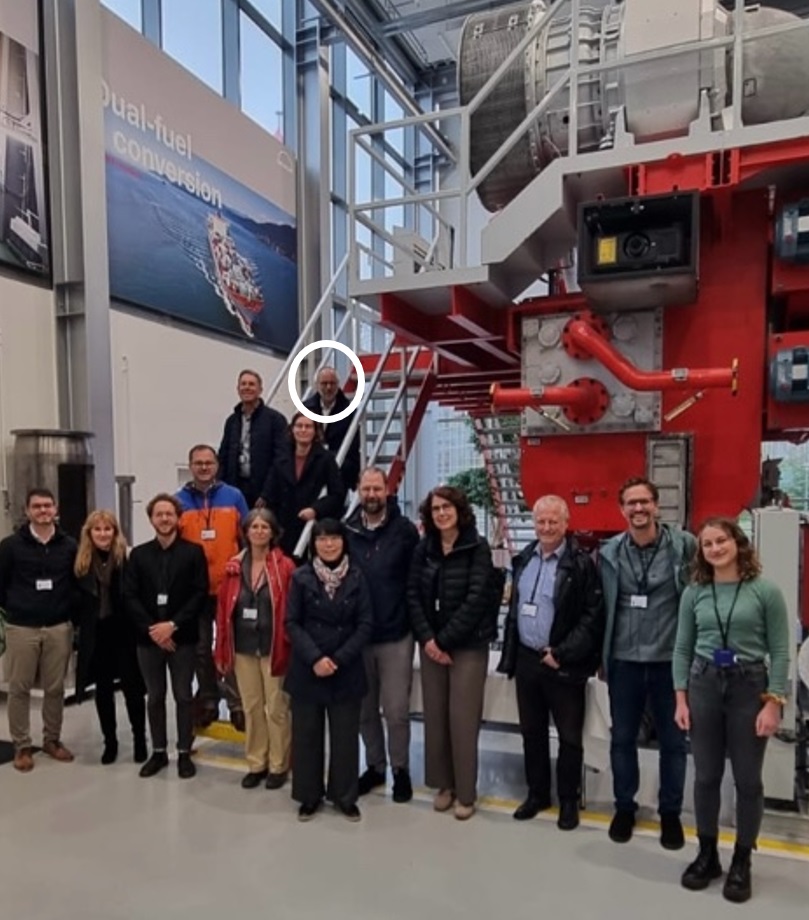
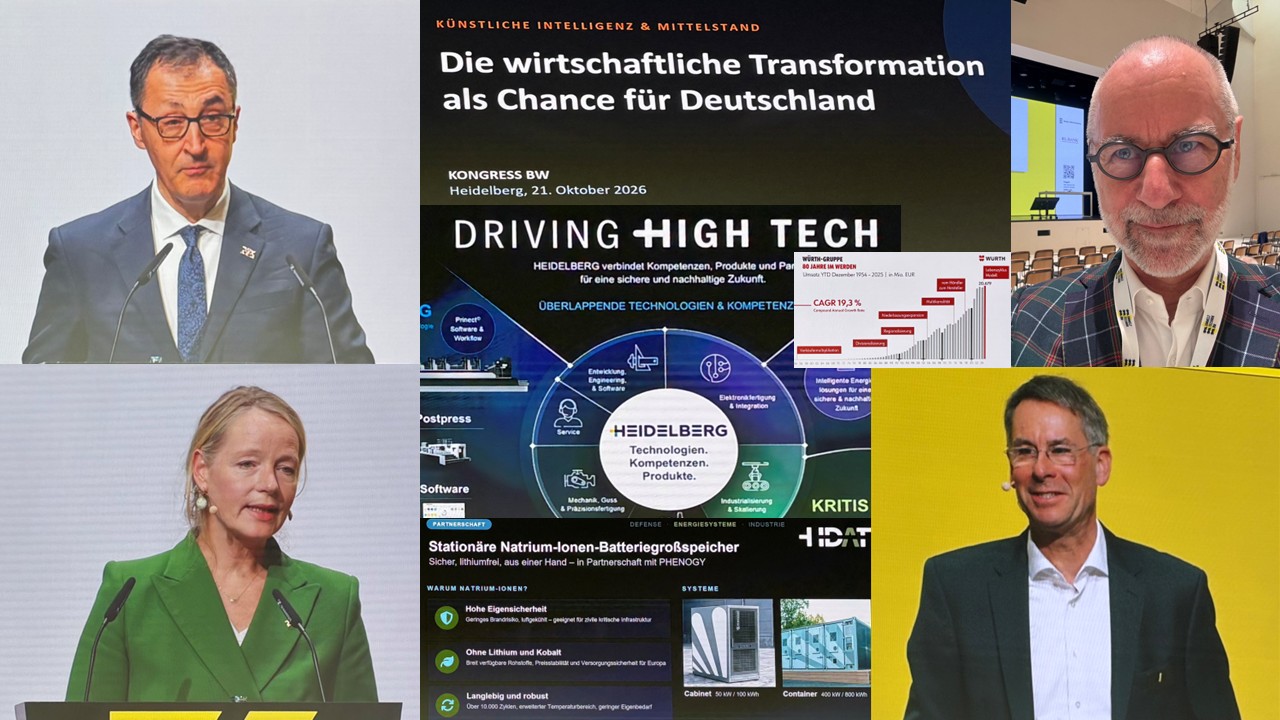
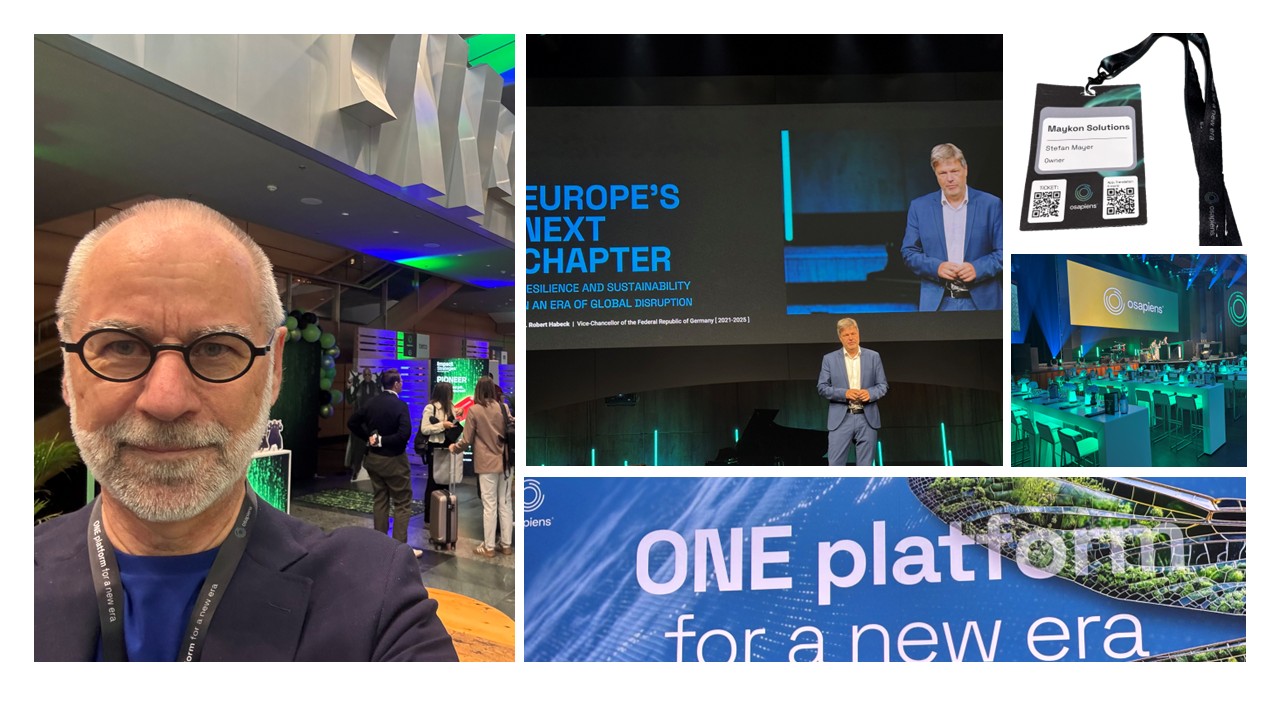
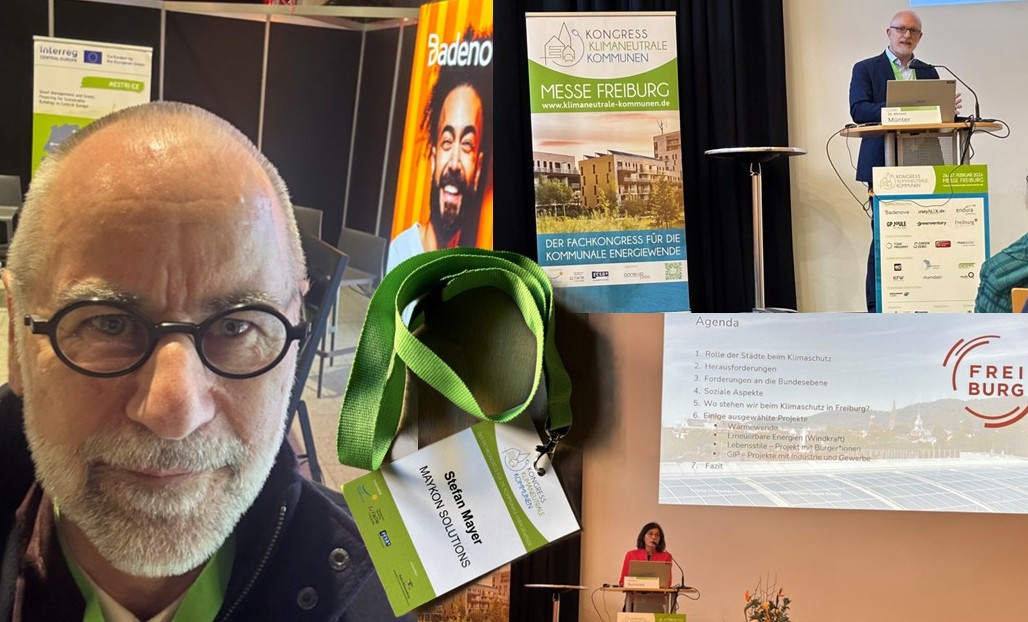
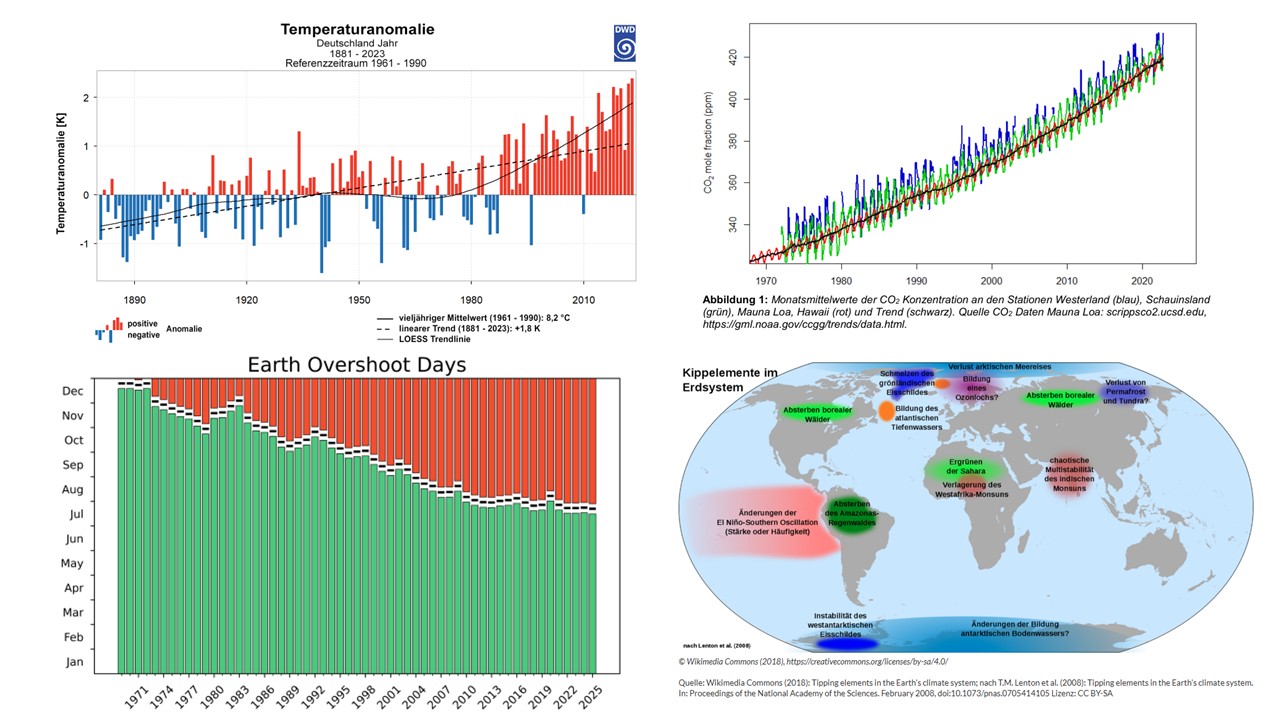
Stefan Mayer and several other participants explored this question on an excursion to Denmark organized by Umwelttechnik BW.
A first glimpse into the innovative design of ship propulsion technology using alternative fuels at “Everllence” brought the first hint of disillusionment. Although approximately 90% of the primary supply chain is covered by shipping, the transition to alternative fuels is progressing very slowly. Zero emissions by 2050 are more of a pipe dream in this context.
The “House of Green” in the center of Copenhagen, which serves as a contact point for the sustainable transformation of more than 600 Danish companies with the support of the Danish government, offers hope.
The company “Airco Process Technology” is also making an important contribution to CO2 reduction by scaling up technologies for carbon capture, biogas upgrading, and biomethane liquefaction.
With the “Greensand Carbon Storage,” INEOS aims to provide Europe with a decarbonization opportunity and thereby counteract deindustrialization.
INEOS-managed Greensand is the EU’s first CO2 storage facility.
The entire supply chain, from CO2 emitters to logistics, storage, and shipping, is covered by commercial agreements with appropriate security to ensure final injection and permanent storage for Denmark and Europe.
Major German industries, such as chemical, steel, and cement producers, are already desperately seeking CO2 reduction solutions for the near future.
The downside is that the trade agreement for shipping CO2 (declared as waste) from Germany to Denmark is still pending due to a lack of political agreement.
Conclusion: Even if we implement all currently available technical solutions for CO2 reduction within the given extremely ambitious timeframe, we will not be able to achieve our climate goals without solutions like CCS!